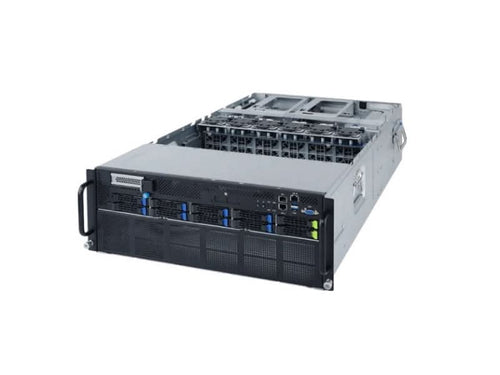
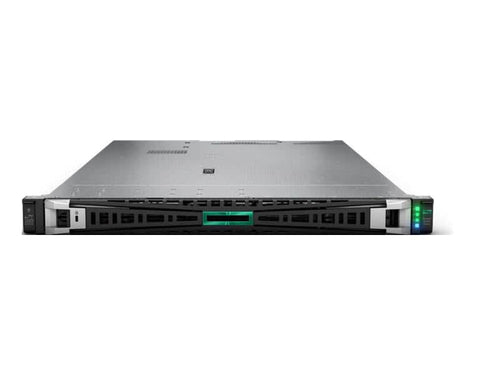
Servers for Next‑Gen Telecommunication Network Infrastructure

Telecom Servers

Empower your telecommunications infrastructure with purpose‑built 5G servers, Edge servers, network infrastructure servers, and RAN‑optimized platforms engineered for carrier‑grade reliability, low‑latency performance, and scalable network services.

  • Low latency, high throughput, telco‑grade reliability.
  • Optimized for 5G, O‑RAN, and NFVi.
  • Telco‑grade. Fault‑tolerant. Edge‑ready.
Saitech - Telecommunication Server

Frequently Asked Questions

What workloads do Telecommunication servers support in modern networks?

Telecommunication Servers are designed to run critical communication workloads including mobile network functions, voice services, network management platforms, and traffic routing. These systems help operators manage large-scale communication environments while ensuring reliability, scalability, and continuous service delivery.

How do 5G servers support next-generation mobile networks?

5G servers provide the computing resources needed for high-speed data processing, virtualization, and real-time communication services. This allows mobile operators to deliver faster connectivity, support massive device connections, network slicing, and enable advanced services such as smart cities and connected infrastructure.

What role do Network infrastructure servers play in telecom environments?

Network infrastructure Servers support the underlying systems that manage routing, switching, monitoring, and service orchestration across communication networks. By providing high-performance computing capabilities, they help maintain reliable connectivity and efficient data movement across complex network architectures.

How are RAN servers used in wireless network deployments?

RAN Servers support processing tasks that handle wireless signal management, data transmission, and network coordination between base stations and central systems. These systems are commonly used in modern mobile networks rely on vRAN and O-RAN virtualization architectures.

How do Fiber network servers support high-speed broadband infrastructure?

Fiber Network Servers process large volumes of network traffic while supporting routing, authentication, and monitoring functions that ensure stable broadband delivery. Their performance capabilities help service providers maintain consistent speeds and manage heavy demand across fiber-based networks.

Why are ISP infrastructure servers important for internet service providers?

ISP Infrastructure Servers support essential functions such as subscriber management, traffic control, authentication systems, and service delivery platforms. These systems allow providers to manage large customer bases efficiently while ensuring reliable connectivity and network performance.

What applications typically run on VoIP servers?

VoIP servers support internet-based voice communication services enabling voice calls, conferencing systems, call routing, and messaging services. Businesses and service providers rely on these systems to deliver scalable and cost-effective voice communication solutions.

How do Communication servers support enterprise and telecom operations?

Communication Servers enable communication platforms that manage voice, messaging, and collaboration services across networks. Organizations use these systems to support internal communication tools, unified communication platforms, and large-scale messaging environments.

What are Telecom data center servers used for in carrier environments?

Telecom Data Center Servers power the core infrastructure that supports network management systems, communication platforms, traffic processing, and data analytics. These systems help operators manage high-demand workloads while maintaining reliability across centralized facilities.

What services run on Network services servers in telecom networks?

They support platforms responsible for traffic routing, policy management, service orchestration, and monitoring. These systems enable providers to deliver reliable communication services while maintaining visibility and control over network operations.

How do Edge computing servers support telecom edge deployments?

Edge Computing Servers process data closer to end users or connected devices, reducing the distance information must travel. This approach improves application responsiveness and supports real-time services such as connected devices, streaming, and smart infrastructure.

Why are Low-latency servers important for communication networks?

Low-latency Servers process data extremely quickly, allowing communication services to operate with minimal delay. This capability is essential for applications such as voice communication, streaming services, industrial automation, and other real-time digital services.

How do Fault-tolerant servers improve telecom service reliability?

Fault-tolerant servers are designed with redundant components and failover capabilities to ensure systems remain operational even if hardware issues occur. This design approach helps maintain continuous service availability and reduces the risk of network disruptions.

Insights & Updates

Discover the Latest Trends and Expert Insights – Explore Our Blogs

What Makes the ESC8000A-E13P a Strong Choice for Advanced Compute Tasks

What Makes the ESC8000A-E13P a Strong Choice for Advanced Compute Tasks

December 8, 2025
Read More →
HPE ProLiant Compute DL325 Gen12: Compact Power for Virtualization

HPE ProLiant Compute DL325 Gen12: Compact Power for Virtualization

October 28, 2025
Read More →
Saitech: Modernizing Virtualization with Proxmox VE and Ceph

Saitech: Modernizing Virtualization with Proxmox VE and Ceph

March 26, 2026
Read More →
G894-ZD3-AAX7: Enterprise-Grade 8U AMD EPYC GPU Server for HPC and AI

G894-ZD3-AAX7: Enterprise-Grade 8U AMD EPYC GPU Server for HPC and AI

December 10, 2025
Read More →
;ll'