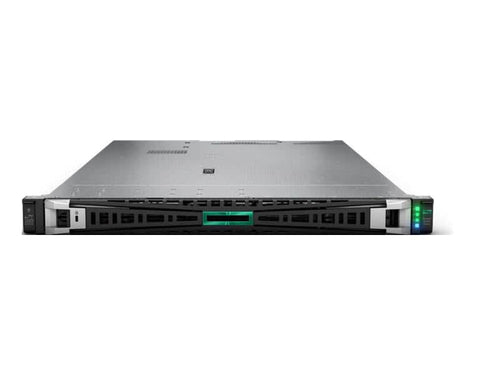
Servers for Advanced Cyber Defense and Enterprise Security

Cybersecurity Servers

Designed for modern security operations, our cybersecurity servers combine reliable performance with hardware‑rooted trust, ensuring resilience against evolving cyber threats. Whether you’re deploying network security servers, log monitoring systems, or comprehensive cyber defense clusters, Saitech equips your infrastructure with secure, scalable, and fault‑tolerant protection.

  • Optimized for Zero Trust, SIEM, threat detection and monitoring.
  • Secure, Scalable, Fault-tolerant and Always on defense.
  • Hardened performance, intelligent protection, enterprise-grade resilience.  
Cybersecurity Servers - Saitech

Frequently Asked Questions

What workloads do Cybersecurity Servers support in enterprise environments?

Cybersecurity Servers are designed to run critical security operations such as threat monitoring, intrusion detection, log analysis, identity management, and policy enforcement. They help organizations maintain visibility across networks, applications, and devices while supporting advanced protection against evolving cyber threats.

What are Authentication Servers and why are they important for access control?

Authentication Servers manage identity verification processes that control how users and devices access networks, applications, and digital resources. These systems typically support directory services, multi-factor authentication, and identity federation to ensure only authorized individuals can access sensitive systems.

How do Security Appliance Servers support specialized security tools?

Security Appliance Servers are purpose-built platforms designed to run dedicated security software such as firewalls, monitoring tools, or intrusion detection solutions. These systems provide optimized hardware configurations to support high traffic inspection, policy enforcement, and secure network operations.

How do Ransomware Protection Servers help prevent data loss?

Ransomware Protection Servers are configured to protect critical data through secure backups, controlled access, and monitoring tools that detect suspicious activity. Features such as versioned storage and secure recovery processes help organizations quickly restore systems if malicious encryption or attacks occur.

What role do SIEM Servers play in security operations?

SIEM Servers collect and analyze security data from across an organization’s infrastructure, including network devices, applications, and user activity. By correlating events and alerts, they help security teams detect suspicious behavior and respond to potential threats more efficiently.

How are Firewall Servers used to protect enterprise networks?

Firewall Servers inspect incoming and outgoing traffic based on defined security policies to prevent unauthorized access. These systems are commonly deployed at network boundaries or critical internal segments to monitor connections and block malicious activity before it reaches internal systems.

Where are Network Security Servers typically deployed in an organization?

Network Security Servers are commonly placed at data center edges, network perimeters, and critical internal segments. Their role is to monitor traffic flows, enforce security policies, and maintain visibility across complex network infrastructures to ensure secure communication between systems.

How do Threat Detection Servers identify malicious activity?

Threat Detection Servers analyze network behavior, system logs, and security telemetry to identify suspicious patterns. Advanced analytics and correlation techniques allow security teams to detect anomalies, investigate potential breaches, and respond quickly to prevent escalation.

What is the role of Zero Trust Security Servers in modern security architectures?

Zero Trust Security Servers enforce strict access verification policies where every user, device, and connection must be validated before gaining access to resources. This approach helps reduce the risk of unauthorized access by continuously verifying identity and applying least-privilege access principles.

Why are Enterprise Security Servers important for large organizations?

Enterprise Security Servers provide the computing resources needed to support large-scale security operations, including monitoring, analytics, identity services, and compliance management. These systems help organizations maintain strong protection across complex infrastructures with many users, applications, and connected devices.

How do Log Monitoring Servers improve security visibility?

Log Monitoring Servers collect and analyze logs generated by systems, applications, and network devices. Security teams use this information to identify suspicious activities, investigate incidents, and maintain audit trails that support compliance and security investigations.

Blog

Stay updated with expert insights...

Cybersecurity Servers: Protecting Enterprise Infrastructure in the Digital Age

Cybersecurity Servers: Protecting Enterprise Infrastructure in the Digital Age

January 09, 2026
Read More →
HPE ProLiant DL384 Gen12 Server: The Future of AI Infrastructure

HPE ProLiant DL384 Gen12 Server: The Future of AI Infrastructure

September 03, 2025
Read More →
Supermicro SRS-GB300-NVL72 Rack System for Large Scale AI Work

Supermicro SRS-GB300-NVL72 Rack System for Large Scale AI Work

December 03, 2025
Read More →
G894-ZD3-AAX7: Enterprise-Grade 8U AMD EPYC GPU Server for HPC and AI

G894-ZD3-AAX7: Enterprise-Grade 8U AMD EPYC GPU Server for HPC and AI

December 10, 2025
Read More →
;ll'